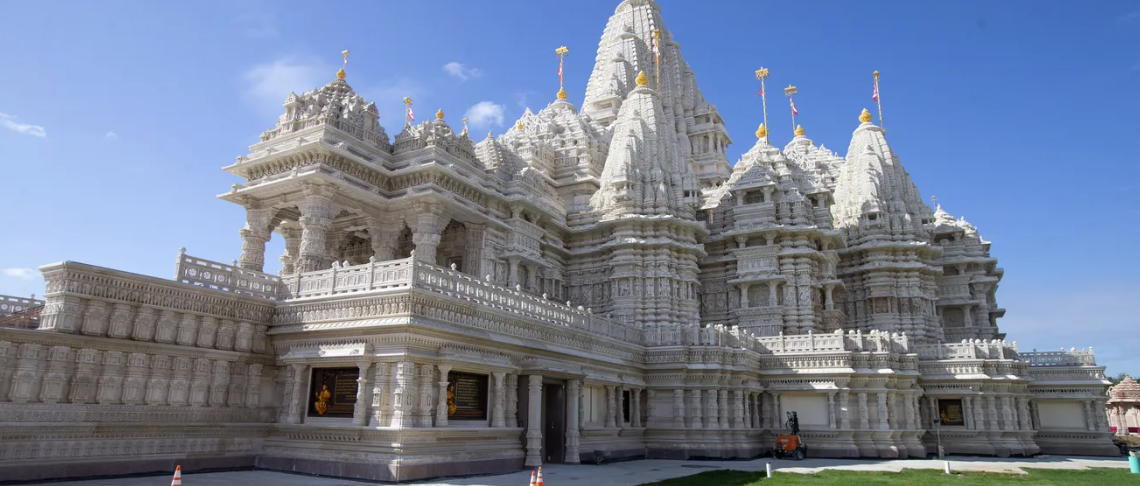
Bhakti Gram: A Village Living Without Modern Technology
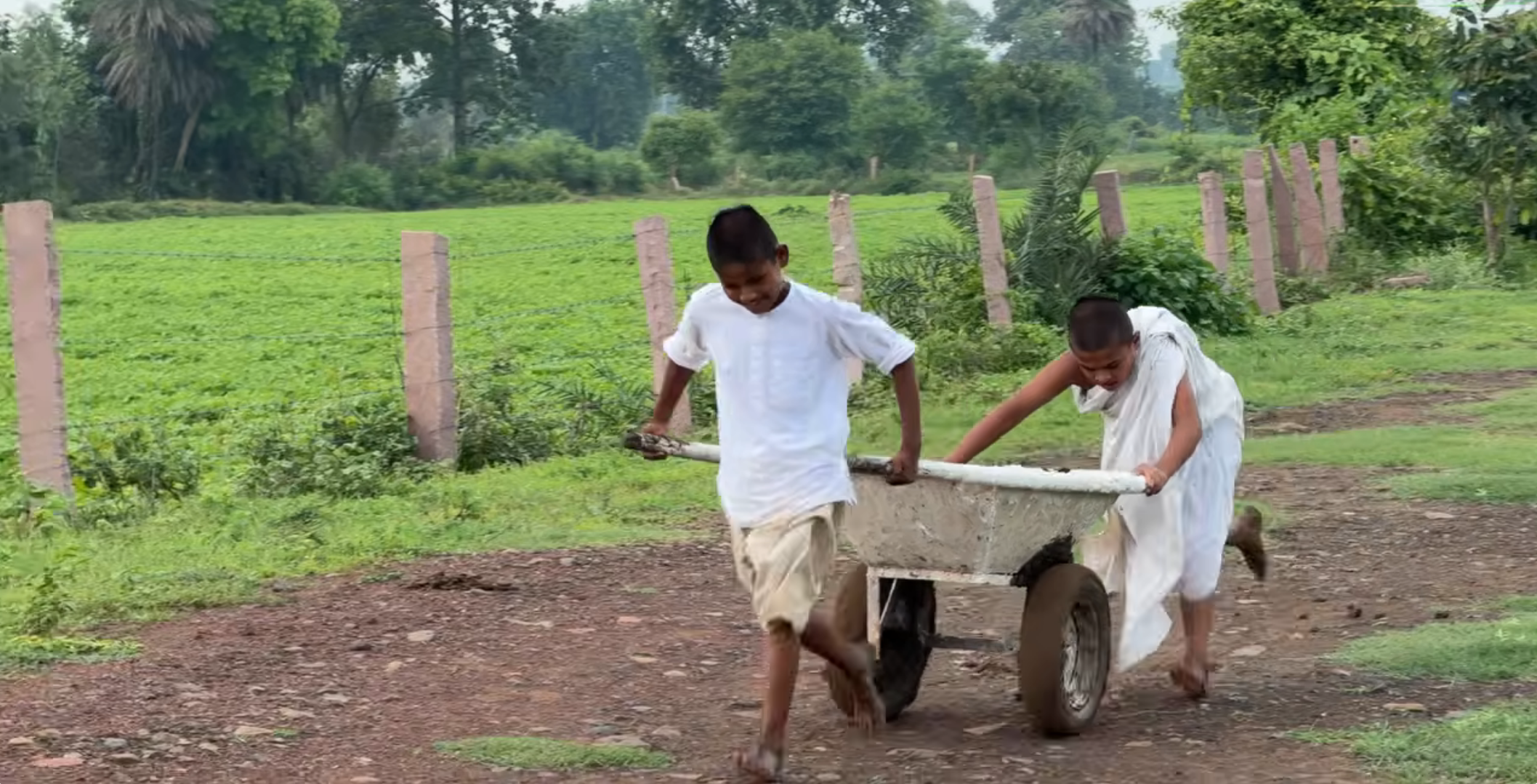
imagine living in a village where there are no electric lights, no fans, no refrigerators, and almost no phones.
That is what life is like in Bhakti Gram, a village in Madhya Pradesh, India. The people living there have chosen a very simple lifestyle based on traditional Vedic living. Instead of depending on modern technology for everything, they try to live close to nature, grow their own food, spend time together, and use only what they really need.
One of the first things you notice about the village is how dark it becomes at night. The houses do not have electricity, so people use small oil lamps, called diyas, for light. Things that are normal for most of us, like air conditioners, refrigerators, electric fans, and even light bulbs, are not part of everyday life there.
Because there are fewer phones and electronic devices, the children also spend their free time differently. Instead of sitting and watching reels or playing on phones, they spend time together, sit on bullock carts, talk, and listen to stories.
The houses in Bhakti Gram are also very different from modern city homes. They are built mostly using natural materials such as mud, stone, wood, straw, and sun-dried bricks. Some of these mud houses even have two floors.
The houses are designed in a smart way so that air can move through them naturally. The windows and doors are positioned so that even a small breeze can reach different rooms. Because of this, people do not need electric fans or air conditioning in the same way we do in cities.
Food is also a big part of village life. Many of the vegetables and spices used by the families are grown locally. Behind the houses, there are small kitchen gardens where vegetables are grown. The village also reuses some household wastewater for these gardens instead of simply wasting it.
Farming is done in a traditional way as well. Instead of tractors, bullocks are used to plow the fields. The villagers grow crops such as rice, turmeric, and ginger, and they avoid pesticides and insecticides and mainly use organic fertilizer.
The daily routine in Bhakti Gram starts very early. Many people go to sleep before 9 p.m. because they wake up around 3:30 or 4 in the morning. They gather together for morning aarti and prayer. Even young children take part.
This gives the village a strong sense of community. People are not only living near each other; they are eating, farming, praying, and working together.
Another interesting part of Bhakti Gram is the way they handle waste. Their toilets are designed differently from normal modern toilets. Urine and solid waste are separated, and instead of flushing everything with water, ash is placed over the solid waste. After several months, the waste can turn into compost.
The idea behind this system is simple: if something comes from the earth, it should eventually be returned to the earth.
Technology is not completely absent from the village. There is a basic phone that can be used when important calls need to be made. Instead of every person carrying a smartphone, the phone is shared when needed.
What makes Bhakti Gram especially interesting is that some of the people living there did not grow up living this way. Some were professionals, including doctors and pilots, who later chose to leave their modern lifestyles and become part of this community.
That is probably what makes the village so thought-provoking.
Most of us are constantly trying to make life faster and easier. We want faster internet, smarter phones, more machines, and more convenience. Bhakti Gram moves in the opposite direction. The people there have chosen to slow things down.
That does not mean everyone should give up electricity, technology, or city life. Modern technology has improved life in many important ways. But Bhakti Gram does make you think about how dependent we have become on it.
Many people today do not know how to grow their own food, build a house using natural materials, or live without constant access to electronics. At the same time, people often complain about stress, noise, screens, pollution, and feeling disconnected from others.
Bhakti Gram shows that another way of living is still possible.
Maybe the lesson is not that we should go back hundreds of years. Maybe it is simply that, while moving forward, we should not forget some of the things people once valued more: community, nature, simplicity, useful life skills, and time with one another.
Sometimes having less can also mean having more peace.


